The Rise of Evidence-Based Toxicology. Every year, over 2 million biomedical articles are published, with a recent search for ‘toxicology’ yielding over 27,600 hits. This staggering data deluge necessitates a structured approach to environmental health. Enter Evidence-Based Toxicology (EBT), a revolutionary framework translating the transparent, systematic methodologies of evidence-based medicine into environmental risk assessment. By employing strict protocols like systematic evidence mapping, EBT significantly reduces evaluator bias and strengthens regulatory decision-making.
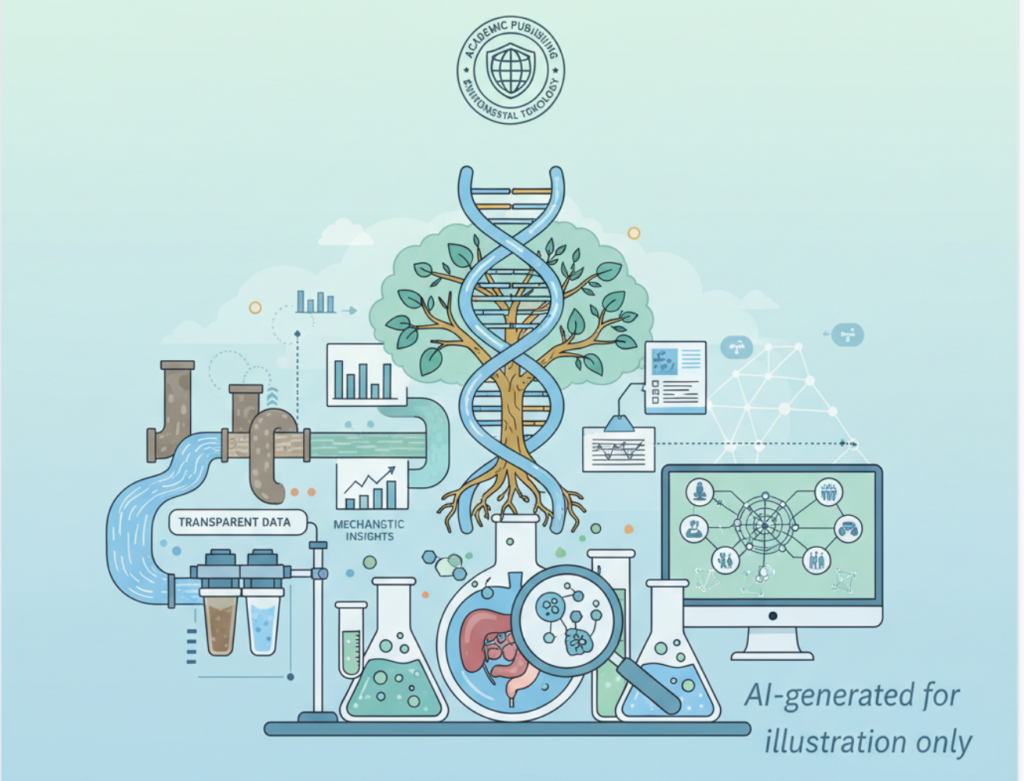
A major catalyst in this shift is the deployment of New Approach Methodologies (NAMs). Leveraging predictive QSAR models and experimental in vitro data from programs like US Tox21, which encompasses approximately 10,000 substances, toxicologists are establishing rigorous, non-animal testing alternatives. To make this a standardized reality, global networks like the Evidence-Based Toxicology Collaboration (EBTC) are spearheading the harmonization of evidence-based standards. This global cooperation empowers major regulatory bodies, such as the EPA and EFSA, to implement objective, bias-free evaluations. Ultimately, EBT is shaping the future of regulatory science, ensuring that decisions protecting public and environmental health are driven by transparent, systematic, and comprehensive evidence mapping.
Guzelian, P. S., Victoroff, M. S., Halmes, N. C., James, R. C., & Guzelian, C. P. ‘Evidence-Based Toxicology: A Comprehensive Framework for Causation’
Source Access
Hartung, T., & Tsaioun, K. ‘Evidence-based approaches in toxicology: their origins, challenges, and future directions’
Source Access